Health Insurance in Thailand for Expats and Digital Nomads
By F.D. Penn · · 5 min read

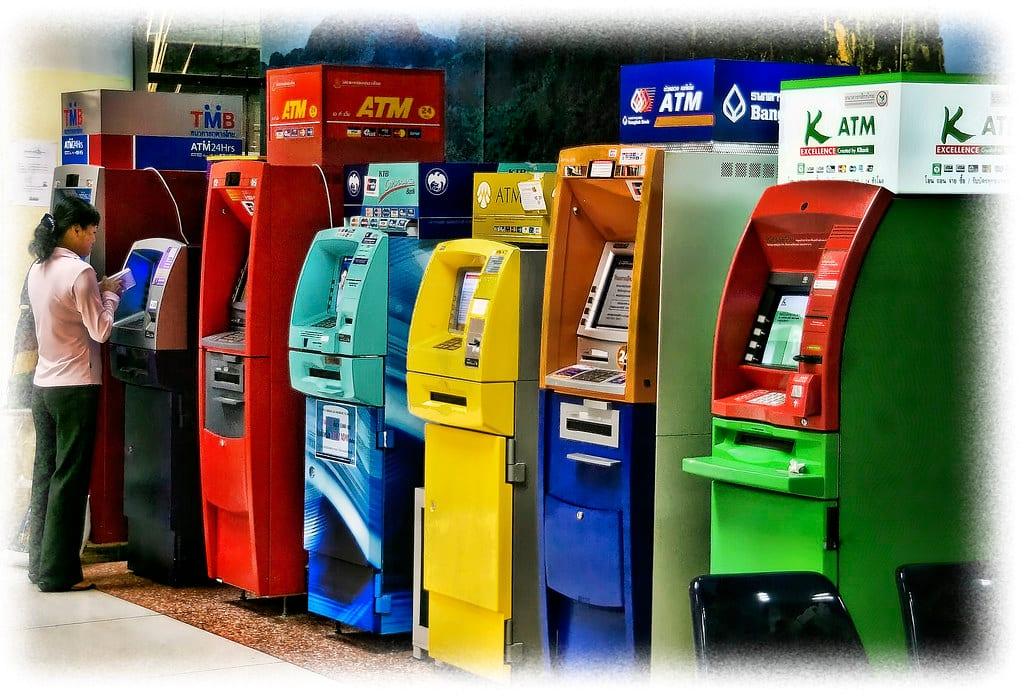
Photo: Pinaew, CC BY-SA
Contents
Thailand's private hospitals are excellent, and many expats get treatment here that would take months to arrange at home. But private care is paid for, and a short hospital stay can cost more than a year of insurance.
This guide covers which visas actually require health insurance, the main types of cover, and what to check before you buy. It is general information, not financial advice. Read the policy wording for any plan before you rely on it.
Quick facts
- Retirement O-A visa: insurance is required, with at least 3,000,000 baht or US$100,000 of inpatient and outpatient cover.
- LTR visa: health insurance with at least US$50,000 of cover, or one of the alternatives the BOI lists.
- DTV: the foreign ministry's DTV checklist does not list health insurance, but going without is a real risk.
- Employees: staff of Thai companies are normally enrolled in Thai social security through their employer.
- Big exclusions to check: pre-existing conditions, outpatient care, and motorbike accidents without a valid licence.
Which visas require health insurance
The clearest rule is for the Non-Immigrant O-A retirement visa applied for abroad. Its checklist from the foreign ministry asks for a policy covering the whole year, with outpatient and inpatient benefits of at least 3,000,000 baht or US$100,000. A foreign insurer needs to complete a certificate for the embassy, and Thai insurers in the scheme are listed at longstay.tgia.org.
The LTR visa asks for health insurance with at least US$50,000 of cover. As alternatives, the BOI accepts Thai social security benefits or US$100,000 kept in a bank account for 12 months. The 10-year O-X visa has its own insurance rules, which your embassy will list.
For a retirement extension inside Thailand, guides disagree on whether insurance is checked. Ask your immigration office before you renew. Our guide to Thailand visas for expats explains each visa in more detail.
The three main types of cover
| Type | Best for | Watch out for |
| Travel medical insurance | Nomads and long trips | New problems only, no pre-existing conditions, limited routine care |
| Full international health insurance | Expats living here for years | Higher price, waiting periods, pre-approval for some treatment |
| Thai social security | Employees of Thai companies | Free care mainly at one chosen hospital |
Travel medical insurance
This covers new, unexpected illness and injury while you are away from home: hospital stays, surgery, emergency evacuation and similar. It is usually paid month by month, and you can often buy it after you have already left home. It does not replace full health insurance, because check-ups and existing conditions are not covered.
Full international health insurance
If Thailand is your home for the long term, you want a plan that also covers routine care, ongoing treatment and serious illness such as cancer. These plans cost more, and they may need pre-approval for planned treatment, so read how claims work before you sign up.
Thai social security for employees
If you work for a Thai company, social security membership is normally compulsory, whatever your nationality. You and your employer each pay 5% of your salary, up to a cap. You choose a registered hospital from the official list, where treatment is free, and emergency care at other hospitals is also covered.
Many employed expats add private insurance on top, because the choice of hospital is limited and waiting times can be longer.
What to check before you buy
The cheapest plan is not always the best value. Before you buy any policy, check these points in the wording:
- Pre-existing conditions. Most travel medical plans exclude them. If you have an ongoing condition, look for a plan that covers it, even after a waiting period.
- Outpatient cover. Some plans only pay for hospital stays. Doctor visits and medicines add up quickly.
- Overall limit and deductible. A high deductible lowers the price but means you pay more of each claim.
- Direct billing. Ask whether the insurer can pay big Thai hospitals directly, so you do not have to pay first and claim later.
- Age limits. Prices rise with age, and some plans stop taking new customers at a certain age.
- Visa paperwork. If you need insurance for an O-A or LTR visa, confirm that the insurer will issue the certificate or letter the embassy asks for.
Motorbikes: the exclusion that catches people out
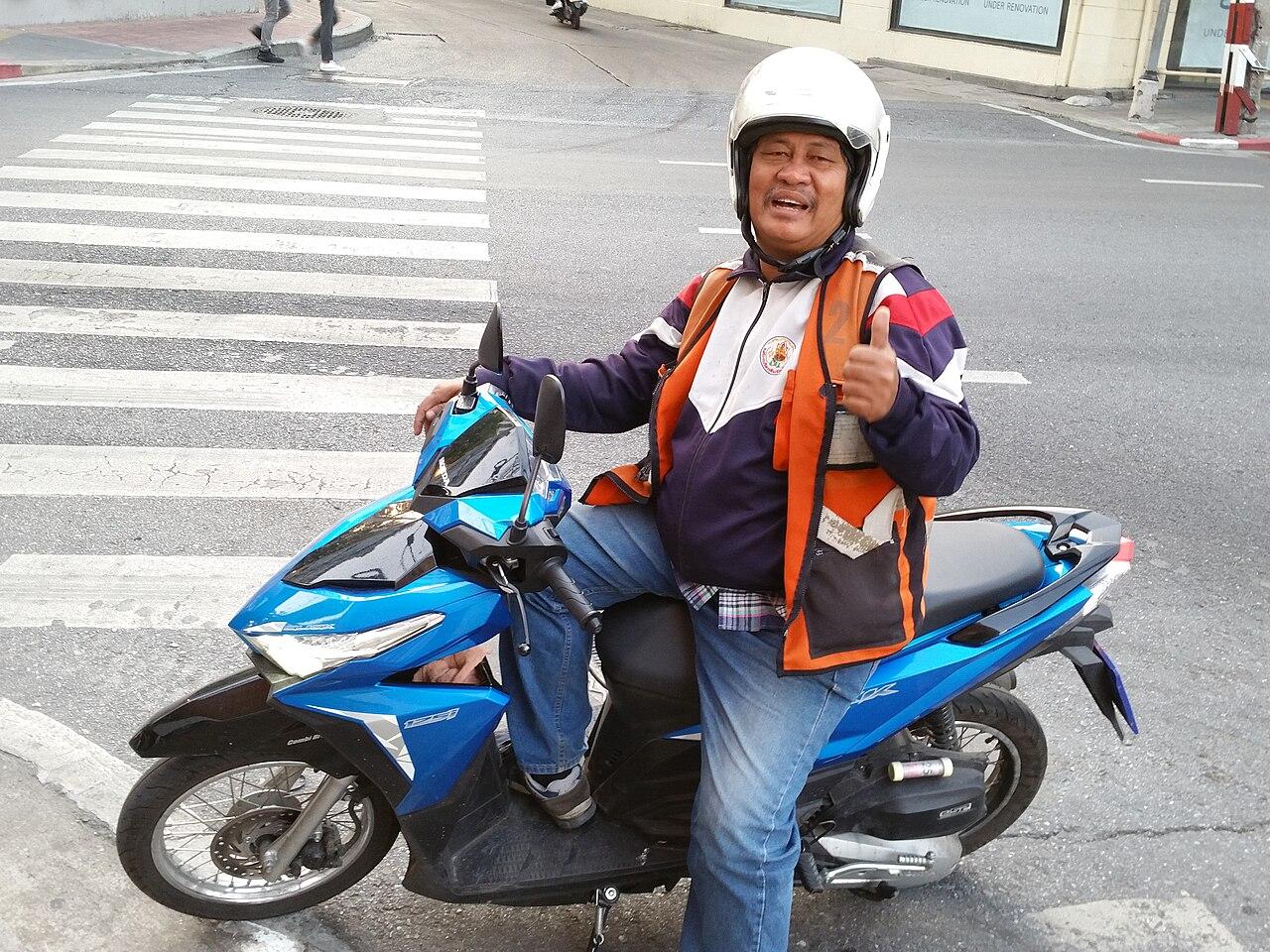
Motorbike accidents are one of the most common reasons foreigners end up in a Thai hospital. Many policies only pay if you were riding legally: with a valid motorbike licence, wearing a helmet and not over the alcohol limit. SafetyWing's Essential plan, for example, states those conditions for motor accidents.
A car licence from home is not the same as a motorbike licence. If you plan to ride, get the right licence before you get on, or use Grab and the trains instead. Our BTS and MRT page shows the next trains from every Bangkok station.
Using your insurance at a Thai hospital
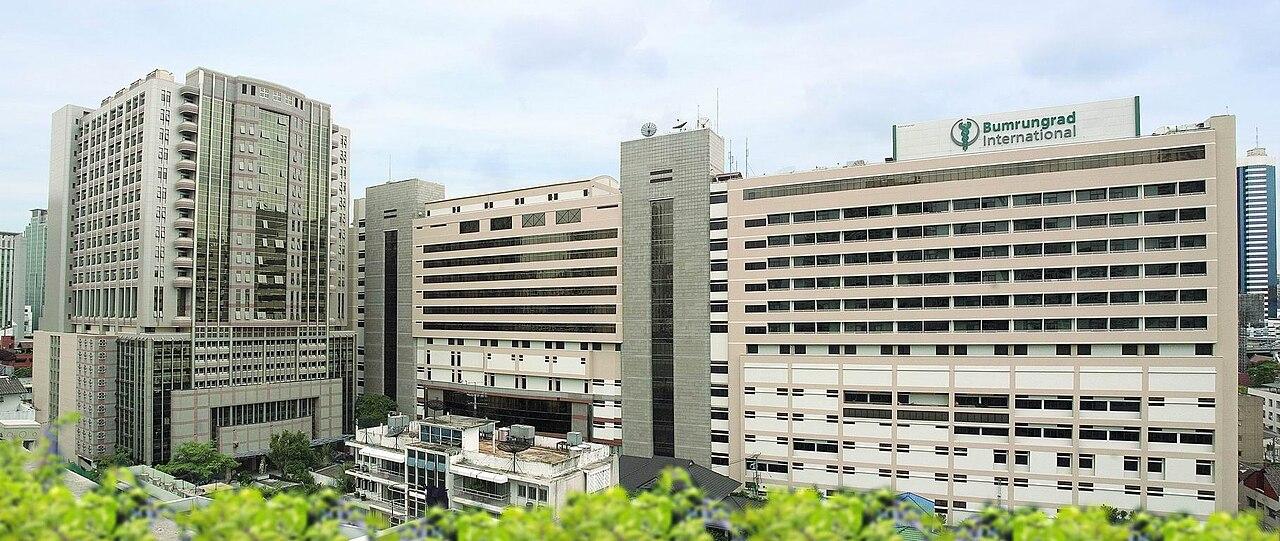
Take your passport and your insurance card or policy number to every visit. At private hospitals, the international desk can usually contact your insurer and ask for a guarantee of payment before planned treatment.
For emergencies, go straight to the nearest hospital and call your insurer as soon as you can. Keep every receipt, medical report and prescription, because you will need them for a claim.
FAQ: health insurance in Thailand
Do I need health insurance for the DTV?
The foreign ministry's published DTV checklist does not list it. You will still want cover, because private hospital bills in Thailand can be large and the DTV allows long stays.
Can I use travel insurance for a Thai retirement visa?
Check carefully first. The O-A needs at least 3,000,000 baht or US$100,000 of inpatient and outpatient cover for the whole year, plus a certificate from the insurer. Many travel medical plans are not designed for this, so confirm with the insurer and your embassy before you buy.
Is Thai social security enough on its own?
It covers free treatment at your registered hospital and emergency care elsewhere. Many employed expats add private cover for more choice of hospital and shorter waits.
Does health insurance cover motorbike accidents in Thailand?
Often only if you had a valid motorbike licence, wore a helmet and were not over the alcohol limit. Read your policy's motor accident section before you ride.
Sort it before you need it
Insurance is easiest to buy when you are healthy, so do not leave it until something goes wrong. Pick the type of cover that fits how long you are staying, read the exclusions, and save your policy number in your phone. Have a question about insurance or Thai hospitals? Ask in our forum, where other expats can share what worked for them.
Sources
Facts checked 19 November 2026. Rules and dates can change, so check official sources before you travel.
- Non-Immigrant O-A (long stay) requirements · Ministry of Foreign Affairs of Thailand
- Long-Term Resident Visa · Thailand Board of Investment
- Destination Thailand Visa (DTV) requirements · Ministry of Foreign Affairs of Thailand
- Social Security in Thailand (Social Security Act B.E. 2533) · Thai Law Online
- Thai cabinet approves expansion of social security coverage to more workers · Tilleke & Gibbins
- Nomad Insurance plans and coverage · SafetyWing