Renting a Condo in Thailand as a Foreigner: Deposits, Contracts, TM30
By F.D. Penn · · 6 min read
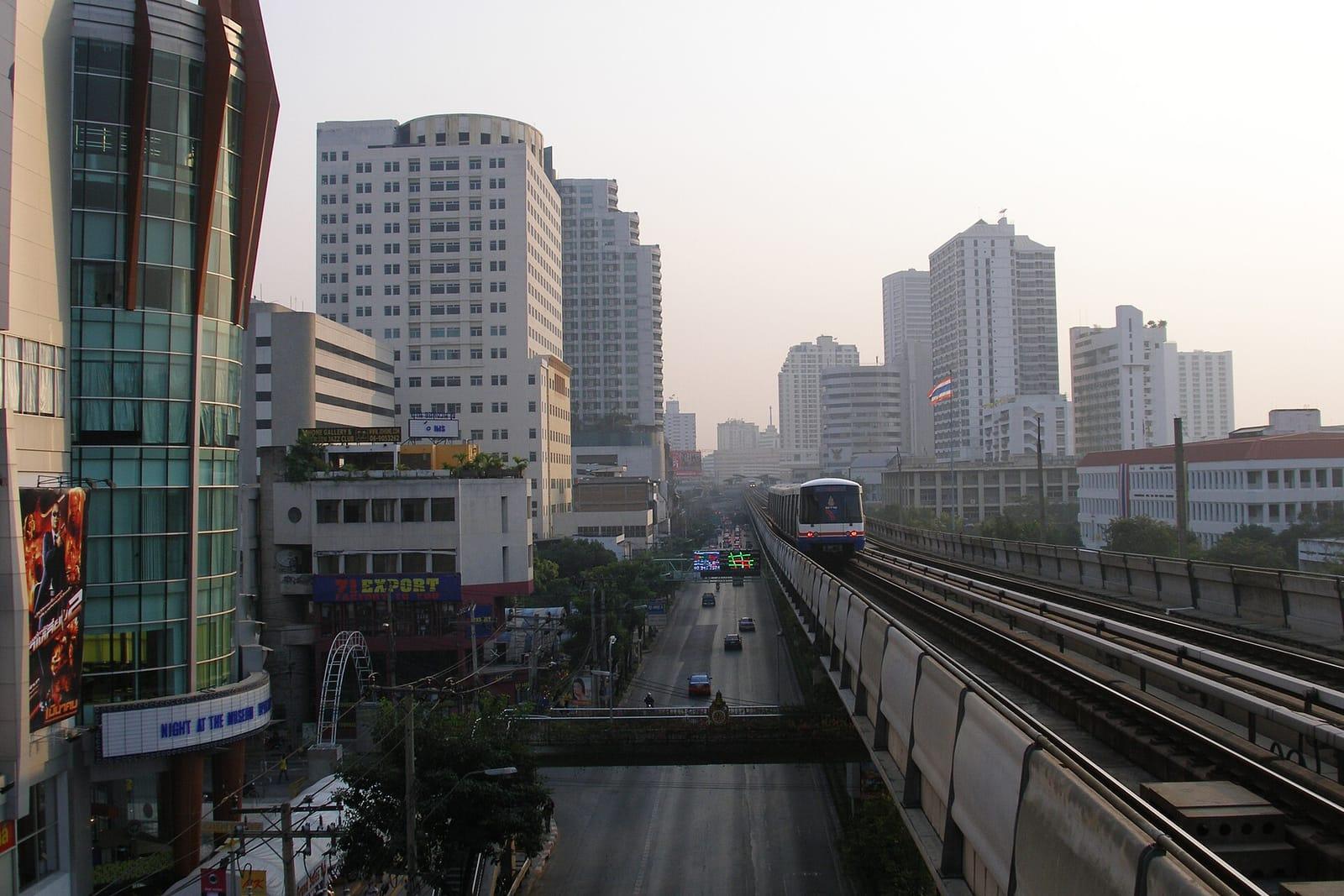
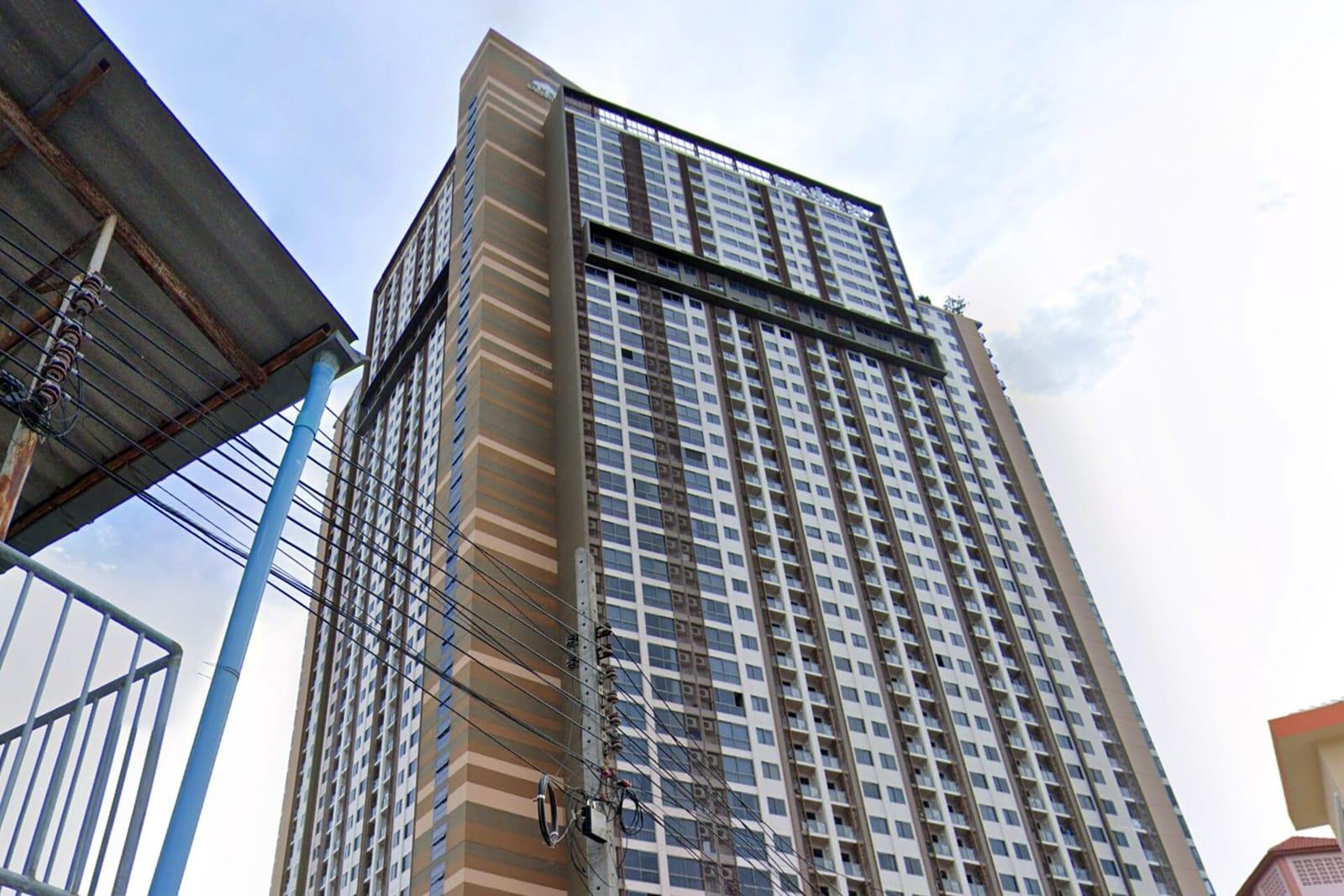
Photo: Vyacheslav Argenberg, CC BY
Contents
Renting a condo is how most foreigners live in Thailand. You can't easily buy land here, but you can rent almost anything, and there is no special permit or visa needed to sign a lease.
The process is simple once you know the local habits: two months' deposit, a one-year contract, and electricity billed in a way that can surprise you. This guide walks through each step, from viewing to getting your deposit back.
Quick facts
- Who can rent: any foreigner with a passport and a valid visa or entry stamp
- Typical upfront cost: two months' deposit plus the first month's rent
- Usual contract: 12 months; 6-month and monthly deals cost more
- Agent fee: normally paid by the owner, not the tenant
- Bills: you pay electricity, water and internet; the owner pays the building's common fee
- TM30: your address must be reported to immigration within 24 hours of moving in
Finding a condo
Most people start online, on property portals and Facebook rental groups, then view in person. Agents are free to use in most cases, because the owner pays their commission, usually one month's rent on a one-year lease.
Location matters more than size. In Bangkok, living within a short walk of a BTS or MRT station saves you hours in traffic. Check the line on our Bangkok train map before you view. In Pattaya, decide whether you want the busy centre or the quieter Jomtien and Wong Amat ends.
Visit at night as well as in the day. A unit that is quiet at 2pm can face a bar or a construction site that runs late. Ask the juristic (building management) office about planned works next door.
What you pay upfront
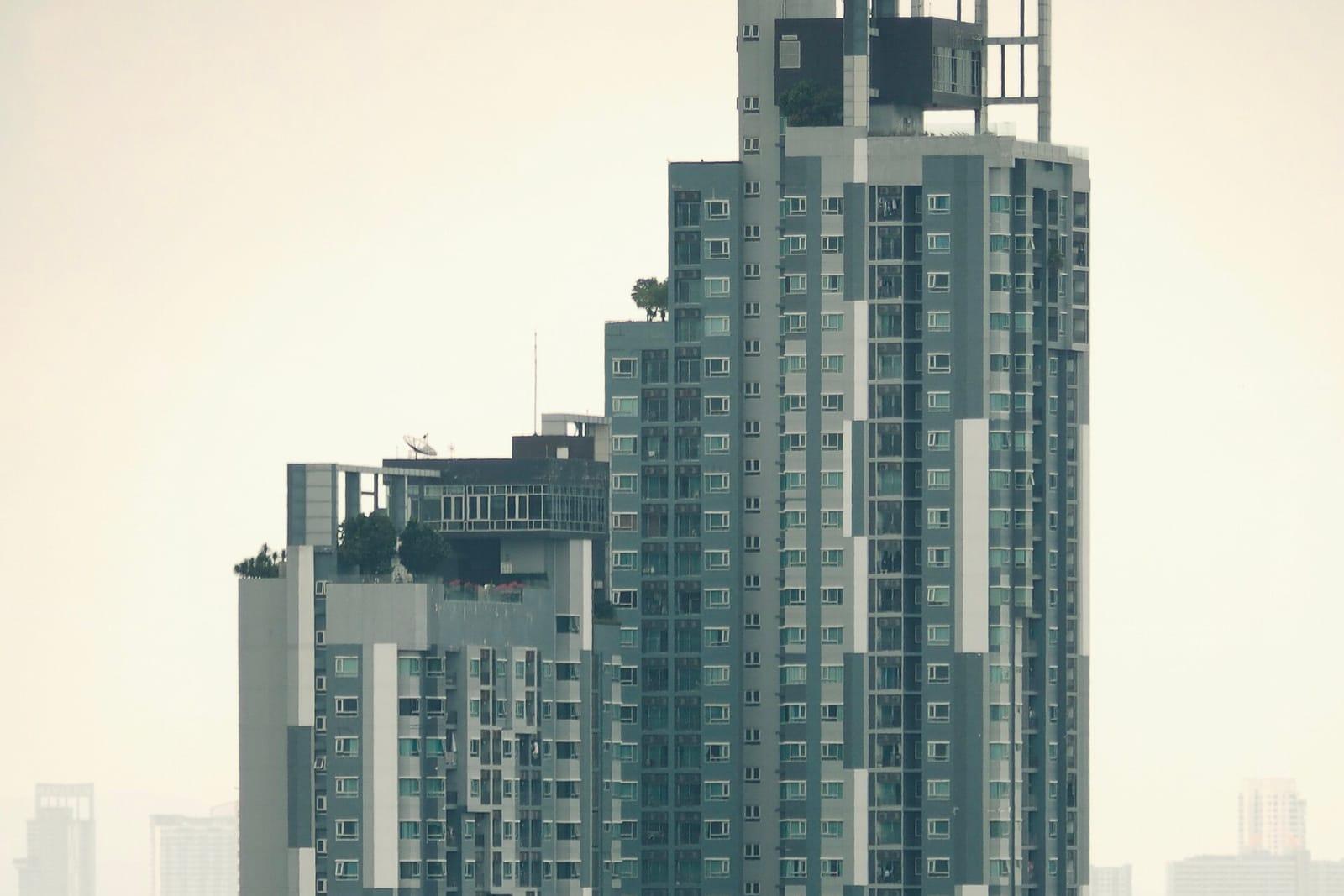
The standard deal is two months' rent as a security deposit plus one month in advance. On a 20,000 baht condo, that is 60,000 baht before you get the keys. Some owners also ask for a small booking fee to hold the unit while the contract is drafted.
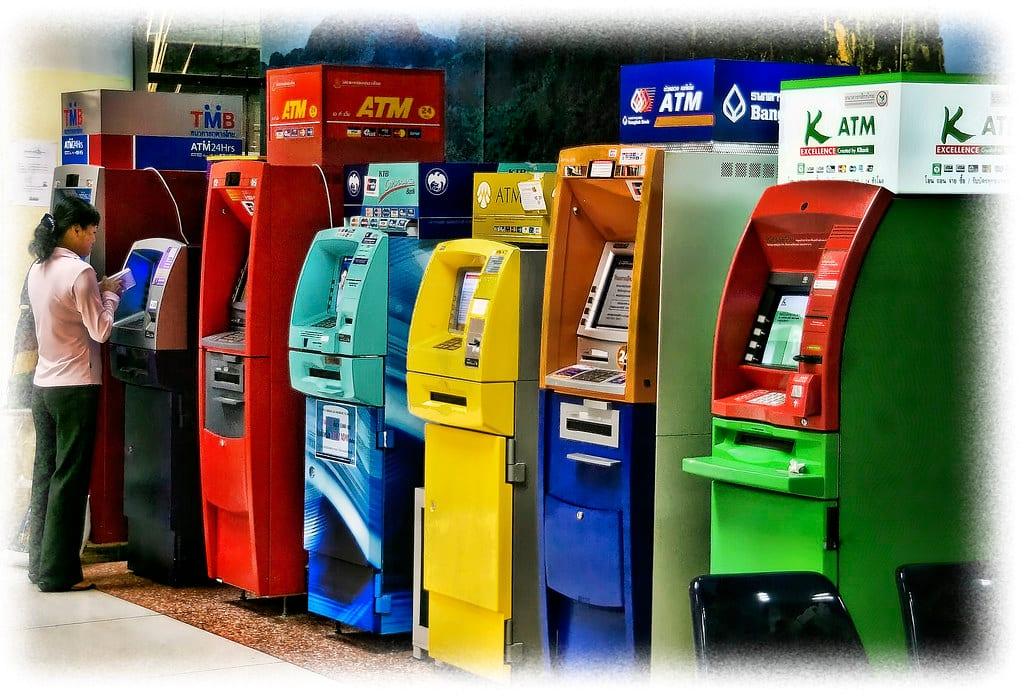
Pay by bank transfer, not cash, so you have a record. Get a signed receipt for the deposit that names the amount and the unit. Our guide to opening a Thai bank account explains how to get set up, and many banks ask for your lease as proof of address.
Do the deposit rules protect you?
Thailand has consumer protection rules for residential leases, updated in September 2025. Legal guides say they now cover landlords who rent out three or more units as a business. For those landlords, the deposit plus advance rent is capped, the deposit must come back quickly once you move out, and utilities can't be charged above the official rate.
The catch is that a private owner renting out one condo is usually not covered. That is the most common setup for foreigners. Your contract is what protects you, so read it carefully. If your landlord is a covered business, complaints go to the Office of the Consumer Protection Board on hotline 1166.
What to check in the contract
Ask for the contract in English, or in Thai and English side by side. Read it before the day you move in, not at the handover. These are the clauses that cause most disputes:
- Deposit return: how many days after you leave, and what can be deducted
- Electricity and water rates: the price per unit, written as a number
- Early exit: what happens if you leave before the end; often you lose the deposit
- Repairs: who pays for air-con servicing, appliances and plumbing
- Notice period: how much notice either side must give to end or renew
- Rent increases: whether the rent can change on renewal, and by how much
- Inventory: a list of furniture and appliances, attached and signed
If anything you agreed verbally is missing, ask for it to be added before you sign. A short WhatsApp or LINE message confirming changes is better than nothing, but the signed contract is what counts.
Electricity, water and other bills
Electricity is the bill that surprises people. If the meter is in the owner's name with the state utility, you should pay the official tariff, roughly 4 to 5 baht per unit. Some buildings and owners charge their own rate instead, often 6 to 8 baht per unit, which can add thousands of baht a month if you run the air-con.
Ask the exact rate before you sign and get it written into the contract. Water is cheap either way. Internet is usually a separate contract you set up yourself, though some condos include it.
The building's common area fee, which pays for the pool, gym and security, is the owner's cost in a normal rental. Confirm that in writing too.
TM30: reporting your address
Thai immigration law requires the person who hosts a foreigner to report where they are staying. For a rental, that means your landlord should file a form called TM30 within 24 hours of you moving in. It can be done online or at the immigration office, and the fine for not filing falls on the landlord.
It still matters to you. Immigration offices often ask for the TM30 receipt when you extend your visa, do a 90-day report or ask for a residence certificate. Some won't process your application without it.
Ask your landlord or agent to file it on move-in day and send you a photo of the receipt. If they won't, some offices accept a TM30 filed by the tenant. Our guide to long-stay visas covers the 90-day report and extensions.
Moving in: the handover check
The handover is your best defence when you move out. Walk through the unit with the owner or agent and photograph everything, including marks on walls, scratches on floors and stains on the sofa.
- Turn on every air-con unit, tap, shower and appliance.
- Photograph the electricity and water meter readings.
- Check the inventory list against what is actually there.
- Send the photos and readings to the owner the same day, so there is a dated record.
- Keep copies of the key cards and remotes you were given.
Ask when the air-con was last cleaned. Many contracts expect the tenant to have it serviced every few months, and a dirty unit at the start shouldn't become your bill at the end.
Moving out and getting your deposit back
Give notice in writing, as the contract requires, usually 30 days. Clean the unit, have the air-con serviced if the contract says so, and book a final walk-through with the owner.
Use your move-in photos to push back on deductions for damage that was already there. Normal wear and tear, like faded paint or a worn mattress, should not come out of your deposit. Settle the final electricity and water bills against your meter photos, and agree in writing when the deposit will be transferred.
A common local habit is to skip the last month's rent and let the deposit cover it. Only do that if your contract allows it, or the owner agrees in writing. Otherwise it can be treated as a breach.
FAQ: renting a condo in Thailand
Can foreigners rent a condo in Thailand?
Yes. There are no restrictions on foreigners renting homes. Owners and agents will ask to see your passport and visa, and copy them for the contract and the TM30.
How much deposit is normal in Thailand?
Two months' rent is standard for a one-year lease, plus the first month in advance. Short leases sometimes have a smaller deposit but a higher monthly rent.
Who files the TM30 when you rent?
The landlord, within 24 hours of you moving in. Ask for a copy of the receipt, because you will need it for visa extensions and 90-day reports.
Can I rent a condo for one month?
Yes, many owners and serviced apartments offer monthly stays, especially in Bangkok and Pattaya. Expect to pay more per month than on a one-year lease, and check whether bills are included.
Before you sign
Check the electricity rate, read the deposit and early-exit clauses, photograph everything at handover, and get the TM30 receipt. Do those four things and most rental problems never happen. Questions about a specific building or area? Ask other expats in our forum, and if you are still planning your move, read our guide to health insurance in Thailand.
Sources
Facts checked 21 November 2026. Rules and dates can change, so check official sources before you travel.
- Rules for establishments on notification of foreigners' residence · Royal Thai Government (thailand.go.th)
- The notification of residence of foreign nationals within 24 hours (FAQ) · Board of Investment, One Start One Stop
- Residential Lease: Thailand Strengthens Controls in 2025 · Lex Nova Partners
- What expats should check before signing a 1-year lease in Bangkok · The Thaiger
- Thailand's TM30 revisited: clarifying the confusion · Bangkok Post