Bangchak Refinery Fire in Bangkok: Is the Air Safe and What to Do
Photo: All Things Thailand
Contents
An explosion and fire hit the Bangchak oil refinery in Bangkok's Phra Khanong district on the afternoon of 26 November. Nine workers were hurt. The fire was out within about half an hour, and officials say the air around the site has stayed within national safety standards since. If you live, work or are staying nearby, here is what the tests show and the simple steps that keep you safer.
Quick facts: the Bangchak refinery fire
- When: Thursday 26 November 2026, at about 2.45 pm.
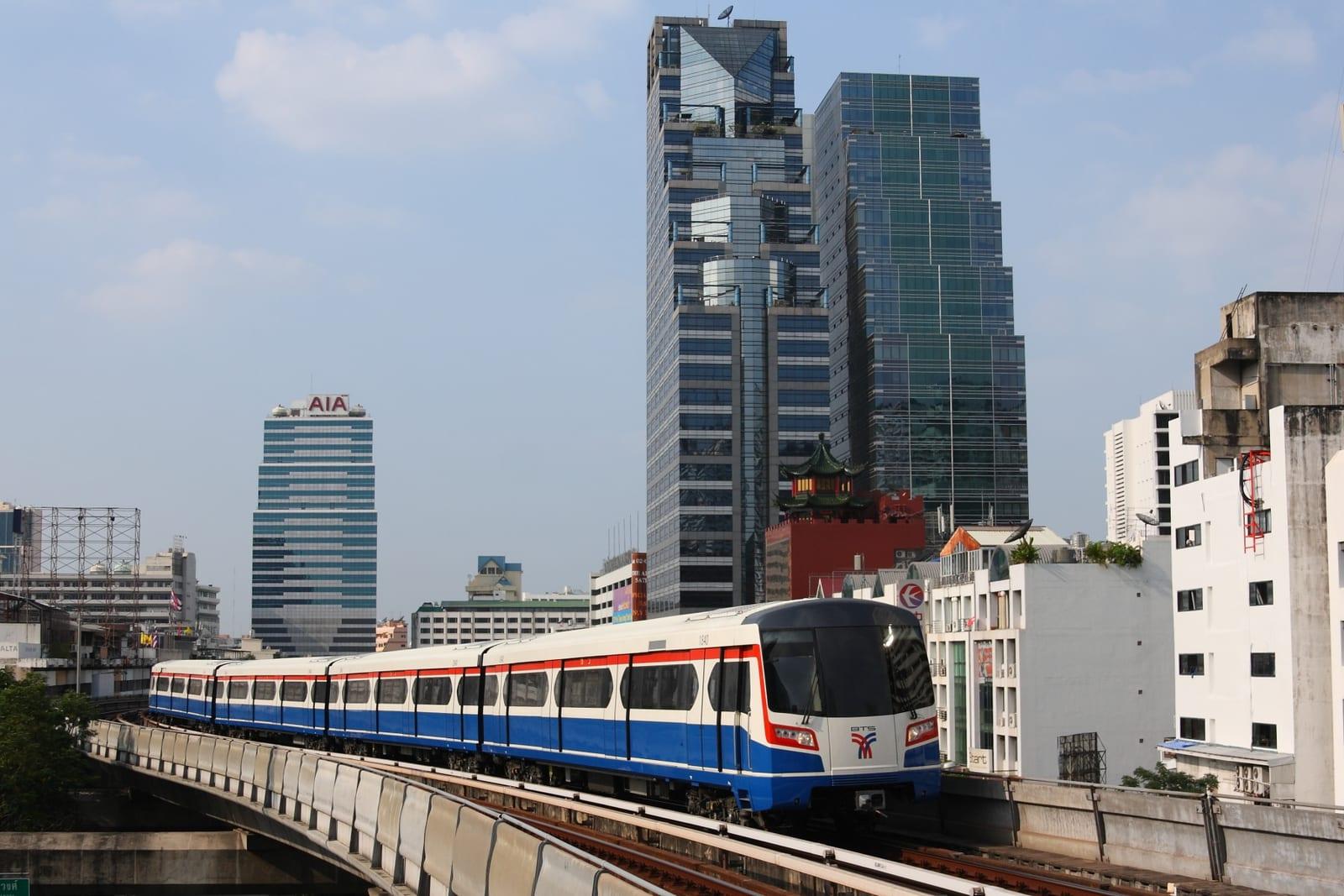
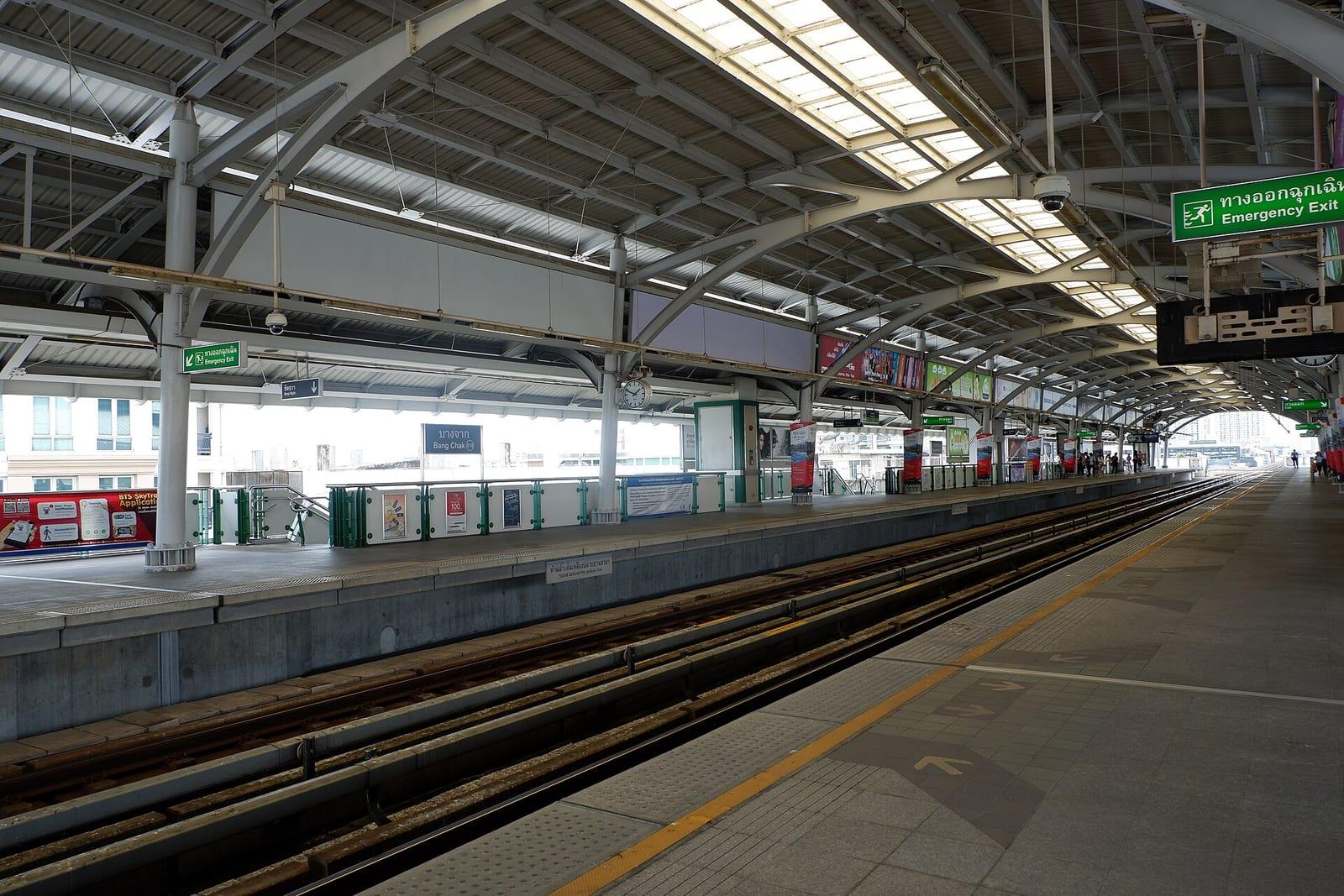
- Where: Bangchak's refinery in Phra Khanong, off Sukhumvit Soi 62. The nearest BTS stations are Bang Chak and Punnawithi.
- Injuries: nine workers, three of them critically. Bangchak later said two had been discharged from hospital.
- The fire: put out at about 3.15 pm, roughly 30 minutes after the blast.
- The air: the Pollution Control Department and the city's health department say readings are within standards and falling.
- The refinery: production is paused while the cause is investigated.
What happened
The blast happened as the refinery was restarting after maintenance. Early findings point to equipment attached to a hydrocracking unit, one of the towers that turns heavy oil into lighter fuels. The exact part that failed, and what ignited it, have not yet been confirmed.
The Bang Na district office warned nearby communities within minutes, and some residents and schools were evacuated. At about 3.30 pm a citywide phone alert asked drivers to avoid the roads around the refinery. The damaged unit was about 100 metres from the fuel storage area.
This is not the first fire at the site. In July 2012 an explosion caused a large fire inside the same complex, damaging nearby homes but injuring no one.
What the air tests show
The Pollution Control Department parked a mobile monitoring unit near the refinery from 10 pm on Thursday to 8 am on Friday. The Bangkok Metropolitan Administration's health department has been measuring since 5 pm on Thursday. These are the results Thai PBS World reported on Friday.
| Pollutant | Measured near the refinery | Thai standard |
| PM2.5 (fine dust) | 10.8–23.9 µg/m³ (hourly) | 37.5 µg/m³ |
| Sulphur dioxide | 0–1.6 ppb | 100 ppb |
| Nitrogen dioxide | 18–27 ppb | 120 ppb |
| Ozone | 3–4 ppb | 100 ppb |
| Benzene, 1.5 km away | About 0.84 µg/m³, falling to 0.3 by Friday morning | Below the 24-hour surveillance level |
Benzene is the one to watch after a fuel fire. It is a gas released by petrol and crude oil, and it is harmful at high levels or with long exposure. The readings at Wat Bang Na Nok School, about 1.5 km from the refinery, fell overnight. A city health official said conditions should return to normal within about three days, unless still weather slows the clean-up of the air.
Who should take care, and where
The city divided the area into zones. The red zone covers everything within 1 km of the refinery, and the yellow zone runs from 1 to 3 km. Residents in both were advised to suspend outdoor activities while monitoring continues. All 34 of the city's public health centres were sent to check on people in the red zone.
Officials also asked people within about 5 km to stay alert to air pollution. Young children, pregnant women, older people, bedridden patients and anyone with asthma, lung or heart disease should take the most care.
What this means for you: staying safe
Most of Bangkok is far enough away that daily life is unaffected. If you are within a few kilometres, these steps follow the official advice and cut your exposure further.
At home or in your hotel
- Keep doors and windows shut until the readings for your area are back to normal.
- Set the air conditioner to recirculate, and avoid fans that pull in outside air.
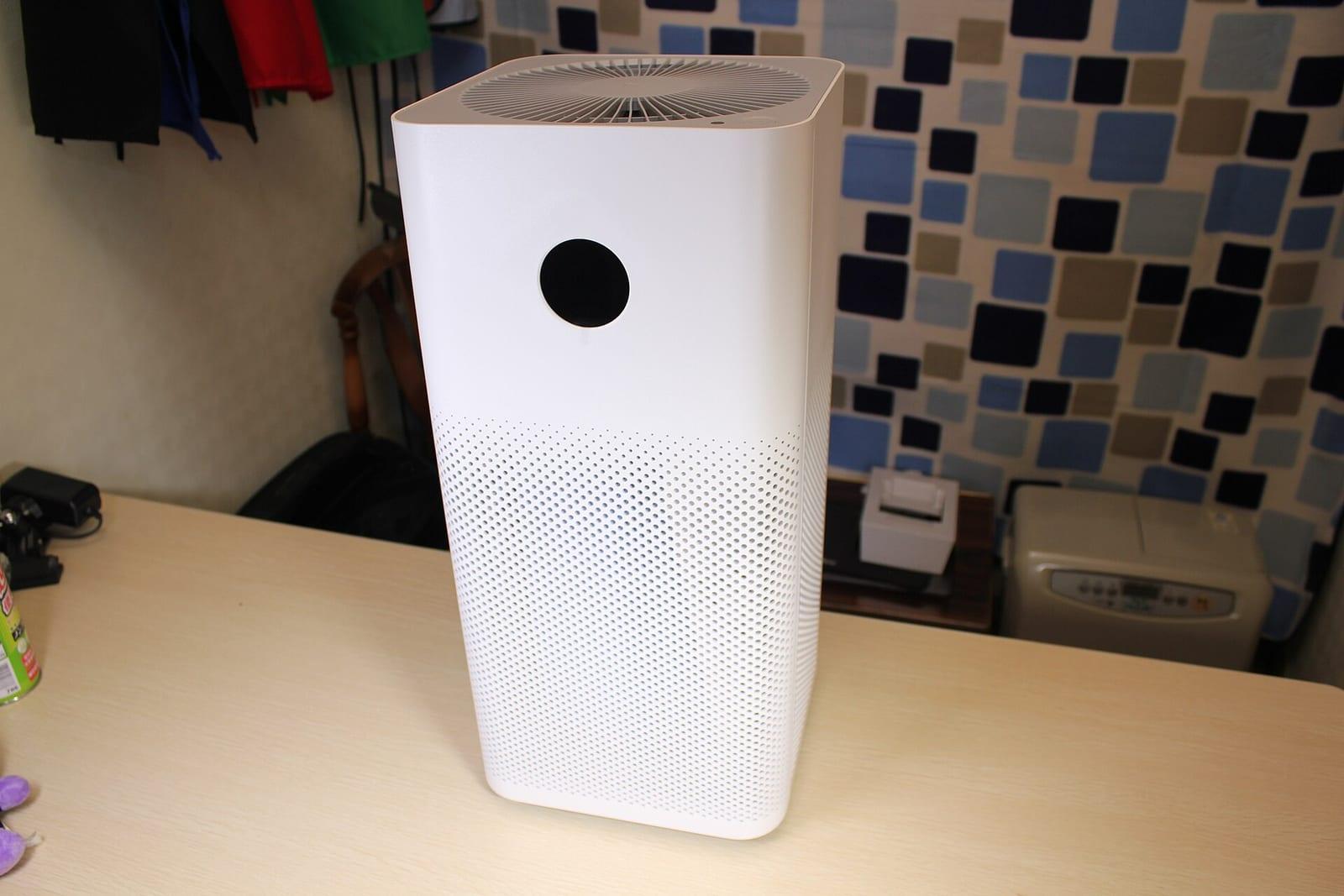
- Run an air purifier if you have one. A HEPA filter catches soot and fine dust. One with an activated carbon layer also helps with smells and some gases.
- Don't add to indoor pollution: skip incense, candles and frying while the windows are closed.
When you go out
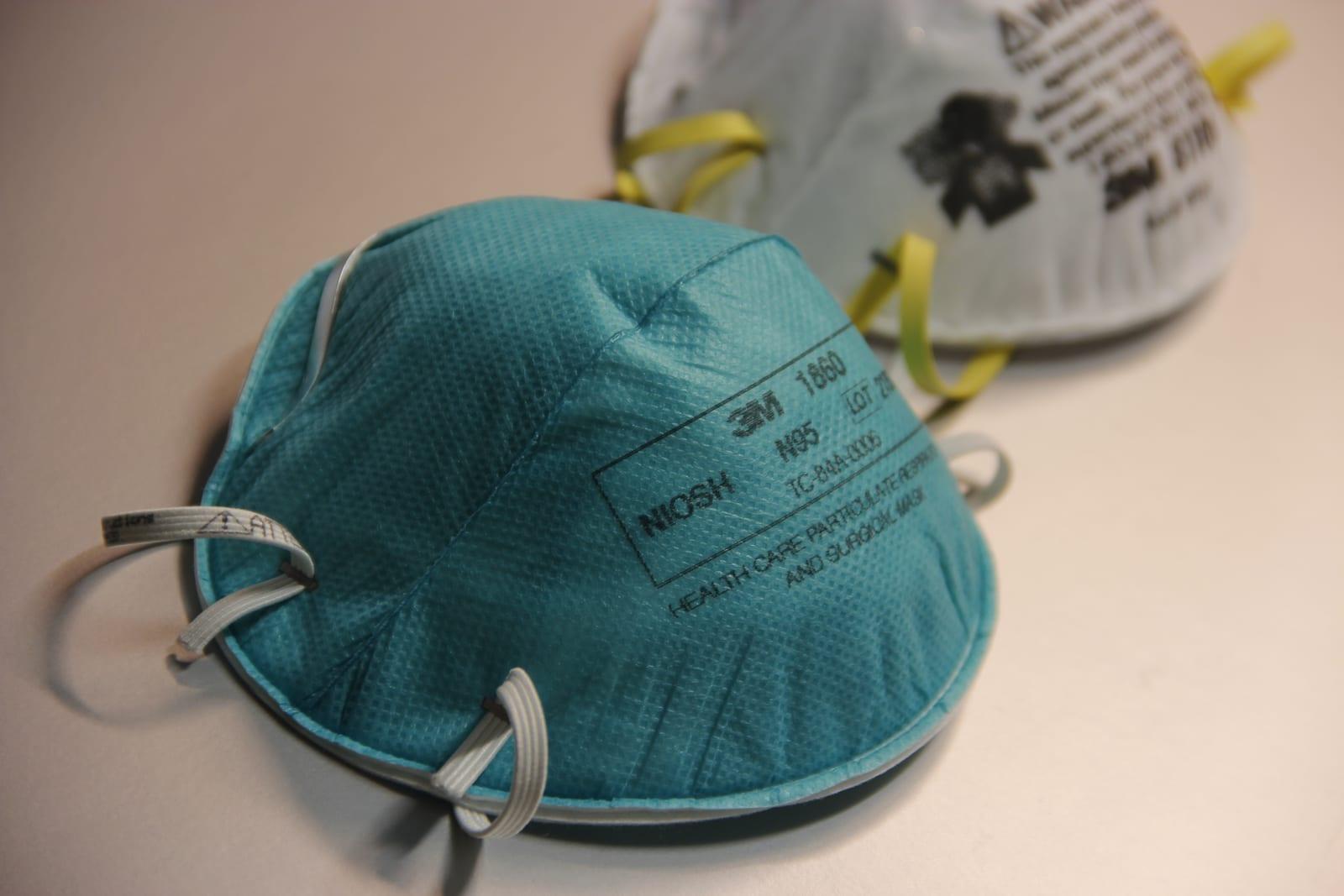
- Wear a well-fitting N95-type mask if you have to be outside in the red or yellow zones. It blocks particles, but no ordinary mask stops gases, so it is not a reason to linger.
- Trust your nose. If you smell fuel or chemicals, go indoors or move further away.
- Skip outdoor exercise nearby until officials give the all-clear. Heavy breathing pulls in far more air.
- Ride the BTS past the area rather than walking or waiting at street level. We found no reports of BTS service changes.
Know the warning signs
Headache, dizziness, nausea, stinging eyes, coughing or shortness of breath can all be signs that the air is affecting you. Move to clean air first. If symptoms are strong or don't settle, call 1669, Thailand's emergency medical number, or visit a hospital. If you are a visitor without cover, our health insurance guide explains your options.
How to follow the readings
- AirBKK (airbkk.com): the city's readings by district. Look at Phra Khanong, Bang Na and Watthana.
- Air4Thai (air4thai.pcd.go.th): the Pollution Control Department's national stations.
- LINE Alert: add @linealert on LINE for official warnings.
- Bangchak's Facebook page: the company has been posting updates there.
Bangkok's winter dust season is under way too, so readings across the city may rise for reasons that have nothing to do with the refinery. Our PM2.5 and burning season guide explains the colour bands and how to plan around them.
Will the refinery reopen?
Not yet. The Department of Industrial Works used the Factory Act to suspend the damaged unit until safety checks are done, and other agencies are inspecting the fuel storage. The energy minister said the refinery would not restart until officials are fully certain it is safe. He also said national fuel supplies should not be affected.
The environment minister ordered round-the-clock air monitoring within 5 km, with reports every 30 minutes. The water used to fight the fire is also being checked.
FAQ: the Bangchak refinery fire
Is it safe to visit Sukhumvit and Phra Khanong now?
Officials say the air around the refinery is within national standards and improving. Central Sukhumvit, Asok and Thong Lo are several kilometres away. Near the site itself, follow the red and yellow zone advice until the city lifts it.
Does the fire affect air in the rest of Bangkok?
The reported impact was concentrated within about 1 km, with monitoring out to 5 km. Testing 3 to 4 km away on the evening of the fire found readings within normal limits.
Does an N95 mask protect against benzene?
No. An N95-type mask filters particles such as soot and PM2.5, but not gases. Distance, closed windows and time indoors are what reduce exposure to gases.
What should I do if I feel unwell?
Get into clean air, rest and drink water. Call 1669 or go to a hospital if you have trouble breathing, chest pain, or symptoms that don't improve. Tell the staff you were near the refinery.
Your next step
If you are within 3 km, check AirBKK for your district before going out, and keep windows shut until the readings settle. Staying nearby and unsure about a hotel or condo? Ask in our forum, and see the area on our map.
Sources
Facts checked 27 November 2026. Rules and dates can change, so check official sources before you travel.
- Air quality around Bangchak refinery within safe limits after fire · Thai PBS World
- Oil refinery blast shakes Bangkok with pollution inspections ordered in swift reaction from ministers · Thai Examiner
- Bangkok oil refinery explosion injures at least 9, Thailand company monitoring air quality · Fox News
- Air4Thai: real-time air quality from the Pollution Control Department · Pollution Control Department
- AirBKK: Bangkok air quality information · Bangkok Metropolitan Administration