Bangkok PM2.5 and Burning Season 2026: How to Check the Air
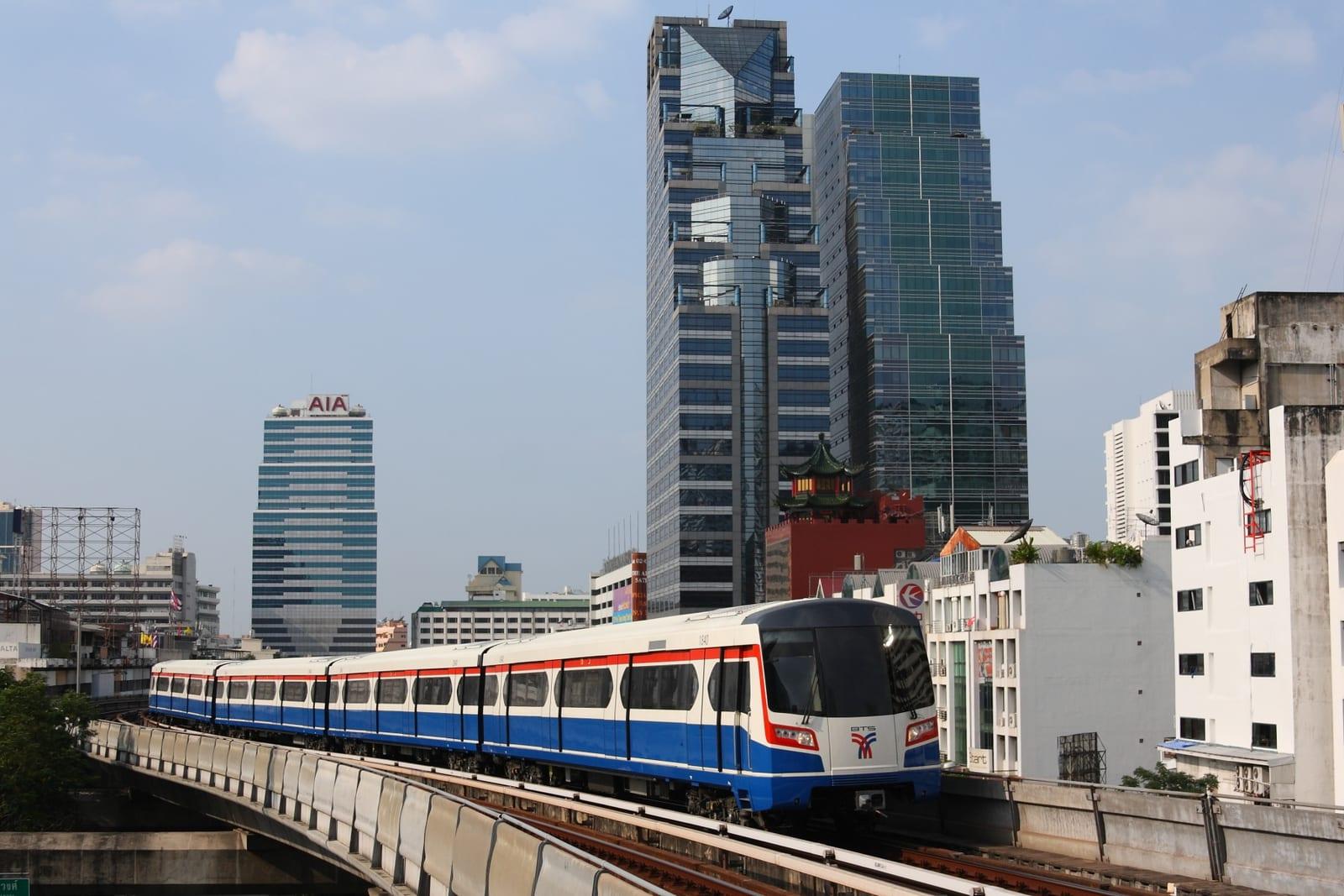
Photo: Ilya Plekhanov, CC BY-SA
Contents
Bangkok's dust season has started. On 16 November the city's air quality centre counted ten areas above Thailand's PM2.5 limit, even though the citywide average still looked moderate. If you are visiting or living here between now and the spring, a two-minute check each morning will tell you how to plan the day.
Quick facts: PM2.5 in Bangkok this winter
- What it is: PM2.5 is fine dust small enough to be breathed deeply into the lungs. It is measured in micrograms per cubic metre (µg/m³).
- The national standard: 37.5 µg/m³. Above that, the official colour turns orange.
- Where we are: the cool season began on 9 November, according to the Thai Meteorological Department. Cooler, calmer weather lets dust build up near the ground.
- 16 November reading: a Bangkok average of 34.1 µg/m³, with ten areas above the standard. Bang Khen was highest at 48.5 and Pathum Wan reached 45.9.
- Where to check: AirBKK for Bangkok, and Air4Thai for the rest of the country.
- Cost: free. Both are free to use.
What happened in mid-November
Early readings this season were uneven. On 14 November the Pollution Control Department reported nine locations in the orange band. They included five Bangkok districts, plus spots in Samut Prakan, Samut Sakhon and Nakhon Pathom.
Two days later the city counted ten areas over the limit. The list included Pathum Wan, the central district around Siam and Chulalongkorn University, and Khlong Toei, close to the Asok and Phrom Phong corridors. Don Mueang, Lat Krabang and Chatuchak also appeared in the reports.
Authorities expected another rise on 19 and 20 November as a stronger cold air mass moved in. They named traffic, open burning, industry and road dust as the local sources, and noted that weak air movement in winter helps fine particles accumulate. The Bangkok Metropolitan Administration also reported inspections of large construction sites and of vehicles emitting black smoke.
Bangkok's air was in the news again on 26 November, after an explosion and fire at the Bangchak oil refinery in Phra Khanong. Officials say the air around the site has stayed within national standards. Our guide to the Bangchak refinery fire covers the test results and what nearby residents should do.
Burning season: why the new year is often worse
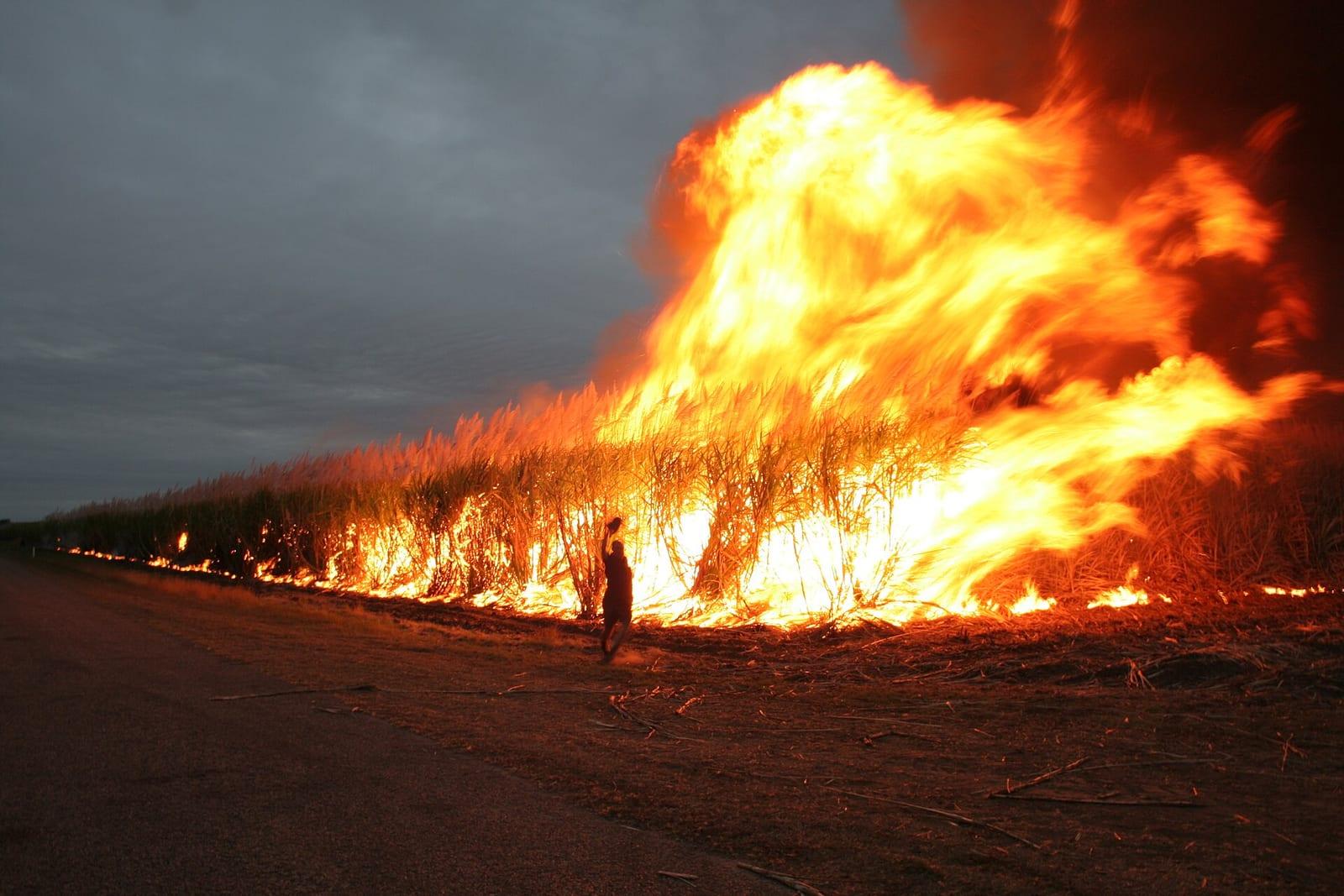
Traffic and construction dust are only part of the story. After the harvest, farmers in the provinces around Bangkok burn rice stubble and sugarcane fields to clear them quickly. When the wind blows from the northeast, that smoke drifts into the city. Last season the worst spells came in January.
On 27 January 2026, Bangkok's governor said more than 13,000 rai of rice fields were burning in Nakhon Nayok, east of the capital. He described a smoke plume of about 1,700 square kilometres, roughly the size of Bangkok itself. The city and seven nearby provinces asked farmers to stop all open burning from 24 to 28 January.
The rules on farm burning
- Penalties: for the 2025–26 season, farmers caught burning risked losing government assistance and could have land-use rights suspended or revoked.
- Nationwide ban: agricultural burning was banned across the country from 1 February to 31 March 2026, according to the Thai News Agency.
- Provincial bans: Prachin Buri banned all open burning from 1 January to 30 April 2026, with fines and possible jail terms.
- Target: the government aims to cut the area of burned farmland by at least 15%, and set aside more than 250 million baht for farming methods that avoid burning.
The measures seem to have helped. Bangkok's average PM2.5 for the season fell from 48.4 µg/m³ in 2025 to 37.6 µg/m³ in 2026, and the number of orange days dropped from 22 to 12, the Thai News Agency reported in February.
What to expect this winter
We have not yet seen the burning rules for the 2026–27 season announced. Going by last year, expect the haziest Bangkok days in January and early February, especially when the wind comes from the east or northeast. If you have flexible plans, save long outdoor days for clearer mornings and keep indoor options ready.
Northern Thailand has its own smoky season later in the dry months, when forest fires and crop burning affect Chiang Mai and the surrounding provinces. If you are heading north in the spring, check Air4Thai for the province before you book outdoor trips.
How to read the colour bands
The apps use a colour scale. The Bangkok Metropolitan Administration published the ranges below, with its own advice for each band. This is general public-health guidance, not personal medical advice.
| Colour | PM2.5 (µg/m³) | What the city advises |
| Blue, very good | 0–15 | Normal outdoor activity. |
| Green, good | 15.1–25 | Normal activity. Watch for unusual symptoms. |
| Yellow, moderate | 25.1–37.5 | Limit strenuous outdoor activity. Vulnerable people should avoid going out, or wear a PM2.5 mask. |
| Orange, starting to affect health | 37.6–75 | Reduce strenuous activity and wear a PM2.5 mask outdoors. Vulnerable people should avoid outdoor activity. |
| Red, affecting health | Above 75 | Avoid outdoor activity and stay in a dust-protected room. Wear a mask if you must go out, and seek care for breathing problems. |
The city lists young children, older adults, pregnant women and people with respiratory or heart conditions as the groups to watch most closely. Note that the apps also show an AQI number, which is a separate unitless index. It is not the same figure as the PM2.5 concentration in the table.
Where to check the air each day
- AirBKK (app and airbkk.com): the city's own readings, down to individual districts.
- Air4Thai (app and air4thai.pcd.go.th): the Pollution Control Department's national network, useful for Pattaya, Chiang Mai and anywhere else you are headed.
- LINE Alert: add @linealert on LINE to get a message when levels pass the standard.
- Greener Bangkok: shows area readings and lists the city's air pollution clinics.
Readings differ between districts, as the 16 November list shows, so look at the one you are actually in. Check again before an evening out rather than relying on the morning figure.
What this means for you
If you are visiting Bangkok
Most days will be fine, and the odd orange day does not need to wreck a trip. Check the app over breakfast. On a yellow or orange day, swap the long outdoor walk for a mall, museum or café, and check the reading again before the next outdoor plan.
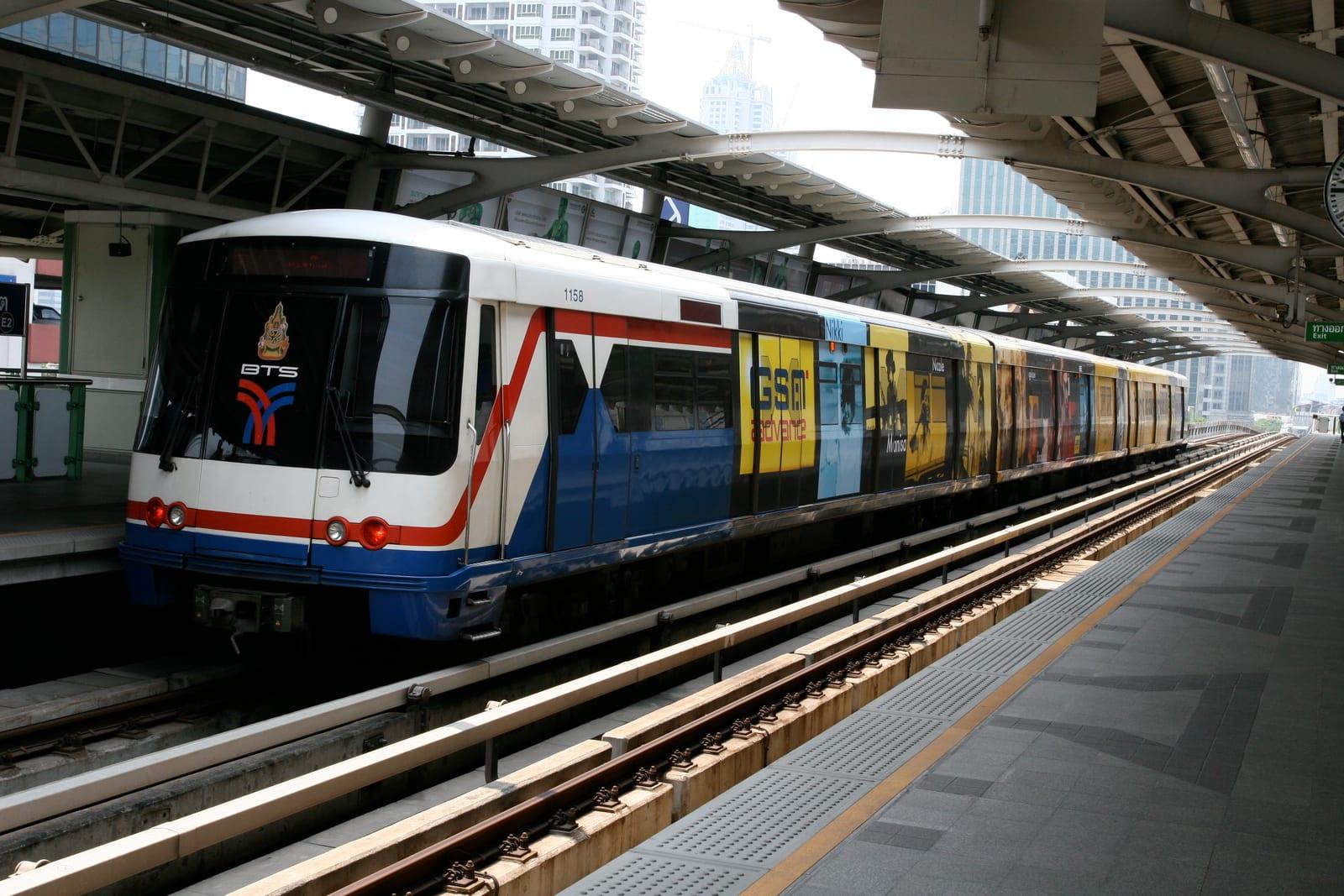
Pack a few masks if you have a type you prefer. The city's guidance asks for a mask rated for PM2.5, which usually means N95-style products rather than a thin surgical mask. Travel by train where you can: the BTS and MRT network keeps you out of road dust and traffic, and our map shows what is near each station.
If you live here
Residents have more to manage. A home air purifier, a PM2.5 sensor you trust and a habit of keeping windows shut on orange days help most. Move runs and bike rides indoors or to greener, cleaner areas when your district is orange.
The city also set up air pollution clinics at eight hospitals, with free consultations, health checks and lung-function testing. They include Taksin Hospital in Khlong San, Lat Krabang Hospital and Sirindhorn Hospital in Prawet. Opening days and phone numbers are on the Greener Bangkok clinic page, so confirm before you go. If you do not have cover, our expat health insurance guide explains the basics.
If you are heading to Pattaya
We did not find a Pattaya-specific dust warning this month. On 14 November the Pollution Control Department's readings for the eastern region, which includes Chonburi, ranged from 11.3 to 27.2 µg/m³. That is inside the standard, but conditions change daily, so check Air4Thai before you travel.
What the city is doing
Authorities reported inspections of big construction sites and black-smoke vehicles, low-emission-zone measures in all 50 district offices, and more frequent alerts. They also asked people to avoid open burning, keep engines well maintained and use public transport. One report mentioned a draft 2027 PM2.5 policy with a 5–10% reduction target, but gave no details.
If you have found a mask, purifier or route that works, tell us in the forum.
FAQ: Bangkok air quality
When is Bangkok's PM2.5 season?
Fine dust builds up when the air is cool and still. This year the cool season began on 9 November, and readings started rising from mid-November. Last season the worst spells came in January, when smoke from farm burning in nearby provinces drifted into the city. We have not seen an official end date, so keep checking through the winter.
What PM2.5 level is unhealthy?
Thailand's standard is 37.5 µg/m³. Above that, the official colour is orange and the city advises a PM2.5 mask outdoors and less strenuous activity. Above 75 µg/m³ the band turns red.
Should I cancel my trip to Bangkok?
That is a personal choice, and the readings so far do not suggest it is needed. Check the forecast near your dates, and talk to your doctor first if you have a lung or heart condition.
Which app is most accurate for Bangkok?
AirBKK and Air4Thai are the official sources, run by the city and the Pollution Control Department. Private sensor apps can also be useful, but their numbers may differ from the official ones.
Your next step
Download AirBKK and Air4Thai before you fly, add @linealert on LINE, and pack masks rated for PM2.5. Then check the reading each morning and adjust the plan. Questions about a specific district or a Pattaya trip? Ask in our forum.
Sources
Facts checked 27 November 2026. Rules and dates can change, so check official sources before you travel.
- Bangkok issues health advice as PM2.5 exceeds standard in 10 areas · The Nation Thailand
- Bangkok PM2.5 levels expected to rise on November 19-20; residents urged to check local air quality · The Nation Thailand
- Bangkok-area PM2.5 expected to rise as nine locations exceed limit · The Nation Thailand
- Air4Thai: real-time air quality from the Pollution Control Department · Pollution Control Department
- AirBKK: Bangkok air quality information · Bangkok Metropolitan Administration
- Thai Government Tightens Farm Burning Rules to Cut PM2.5 · Government Public Relations Department
- Bangkok braced for toxic plume from 13,000-rai burn · The Nation Thailand
- Bangkok sees sharp drop in PM2.5 pollution as air quality improves across the capital · Pattaya Mail (TNA)
- Bangkok calls for burning freeze as PM2.5 threatens air quality this week · Pattaya Mail (NNT)